


A strong foundation is not just the beginning-it's the backbone of everything meaningful and lasting. Whether you're building a future for children through education, empowering communities, launching a new initiative, or simply shaping personal growth.
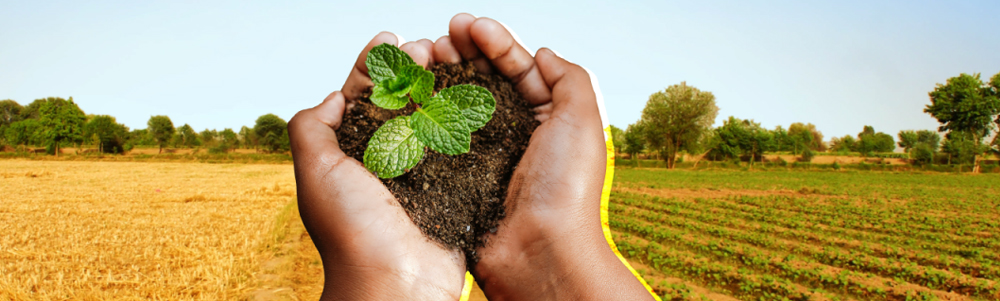
As winter gradually sets in across North India, air pollution levels are already rising sharply, with farm fires increasing at an alarming pace. While several factors contribute to deteriorating air quality, stubble burning remains a major driver, particularly in Punjab and Haryana, where farmers burn residual crop biomass due to limited viable alternatives. This practice significantly worsens air pollution and disrupts daily life.

Across our planet, the consumption of finite natural resources is placing a large strain on the environment, with changing geopolitical dynamics adding new dimensions to the challenge. Waste accumulation is an equally significant challenge and a search for solutions has led to an increasing interest in and a move towards the principles of circular economy.

COP30 or the 2025 United Nations Climate Change Conference is scheduled to be held from November 10 to 21, 2025 in Brazil. While COP30 necessitates that all countries be ready to renew their commitment to emission reduction and address socio economic impact of climate change, it is imperative to look at what lies ahead for developing and developed countries with the changing political and environmental challenges.

As the world grapples with issues related to sustainability, there has been a shift from voluntary reporting to mandatory disclosures. With the economy being at a critical point, businesses need to reassess their supply and value chains.
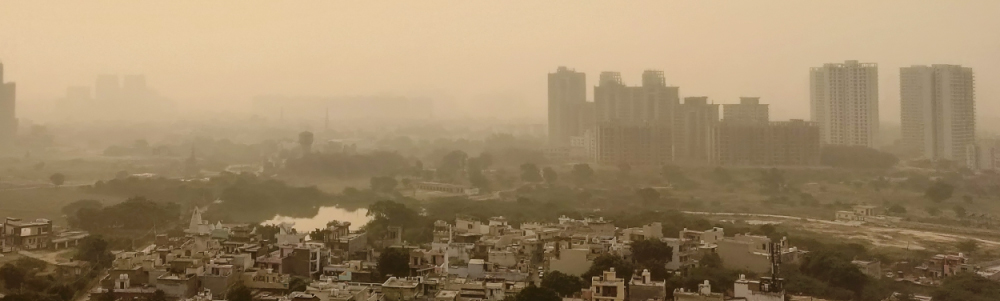
Rising air pollution levels are inextricably linked to climate change. As global temperatures rise, they impact weather, especially rainfall and wind patterns, often resulting in greater air pollution as pollutants get trapped in the air.